# Vietnam Visa for Retirees: Long Stay Options
Vietnam is rapidly becoming one of the most popular retirement destinations in Southeast Asia. With its stunning landscapes, affordable cost of living, and warm, welcoming culture, many retirees are eager to make Vietnam their new home. However, navigating visa requirements can be challenging, especially for those seeking long-term stays. In this article, we explore the Vietnam visa for retirees, focusing on retirement visa options and senior citizen visa possibilities that enable longer stays.
Understanding Retirement Visa Options in Vietnam
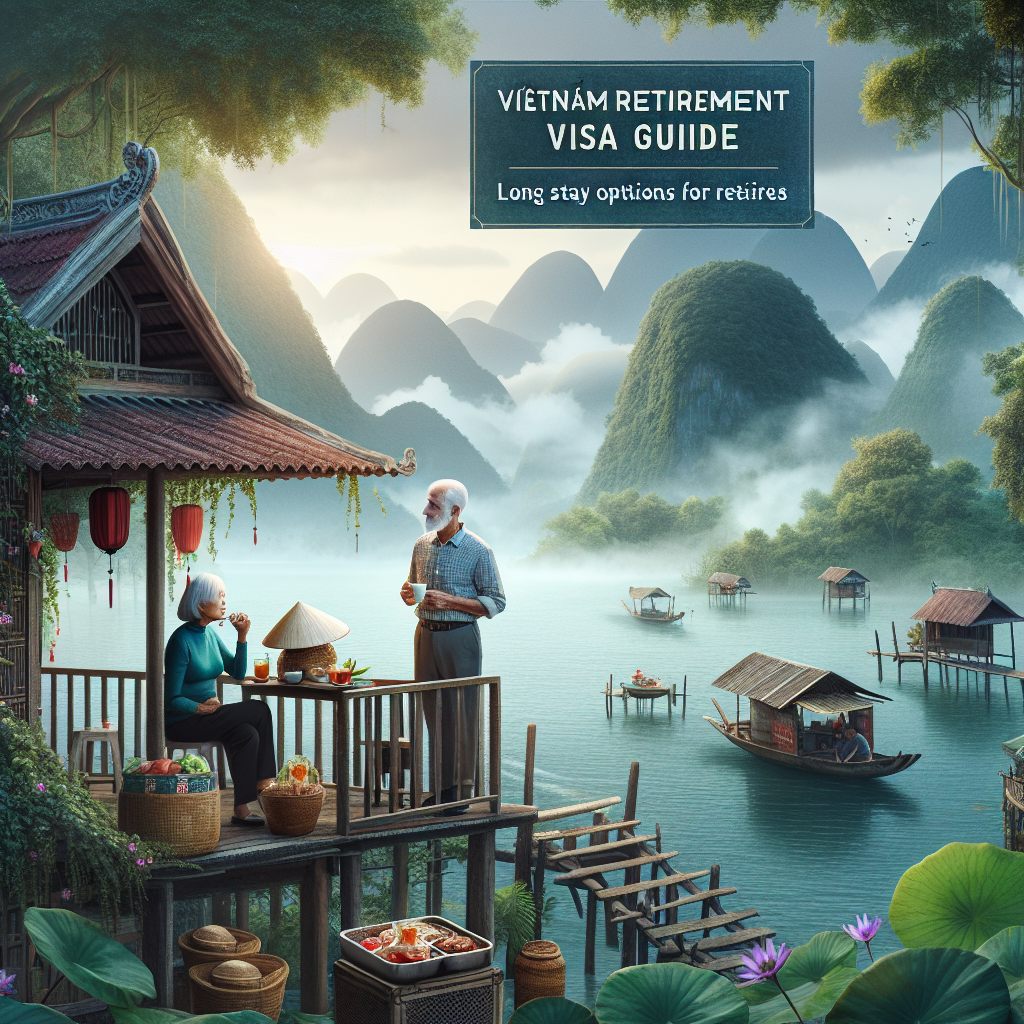 Vietnam does not have a specific visa explicitly called a "retirement visa," but retirees can still stay long-term using certain visa types and extensions tailored to their needs. Here’s a breakdown of the most common options for retirees looking for extended stays in Vietnam:
1. Tourist Visa with Extensions
Most retirees initially enter Vietnam on a tourist visa. Tourist visas typically last from 30 to 90 days but can be extended or renewed multiple times. This makes the tourist visa a popular choice for those wanting to try living in Vietnam before committing long-term. However, continual extensions require periodic visits to immigration offices or exits from the country.
2. Business Visa (DN Visa)
The business visa category allows longer stays of up to one year with multiple entries, which can be renewed annually. Some retirees use this visa by setting up a small business or working with a Vietnamese sponsor. Although more complex to obtain, it provides more stability for those seeking long-term stays.
3. Investor Visa (DT Visa)
If retirees invest in a Vietnamese company or property, they may be eligible for an investor visa, which offers longer validity periods of up to 3-5 years. This visa requires substantial financial commitment but provides an excellent long-term residency solution.
4. Temporary Residence Card
The temporary residence card can be issued for 1 to 3 years and is granted to foreigners who have a work permit, investor license, or marriage certificate with a Vietnamese citizen. Retirees married to Vietnamese nationals often qualify for this, making it a practical long-term option.
Senior Citizen Visa: Is There a Special Provision?
Vietnam does not currently offer an official senior citizen visa or a specific visa type dedicated only to retirees. Unlike some countries that provide retirement-specific visas with age and income requirements, Vietnam’s immigration rules focus more on employment, investment, or familial ties.
That said, the government has shown interest in creating more flexible visa policies for retirees and foreigners staying long-term. The hope among retirees is that visa frameworks will evolve to include dedicated senior citizen visa options in the near future.
Key Considerations for Retirees Seeking Long-Term Stay in Vietnam
When planning your retirement in Vietnam and choosing the right visa option, keep the following points in mind:
Financial Stability and Income Proof
Visa officers may require evidence of financial stability, such as bank statements or pension proof, especially when applying for longer stays or extensions. Preparing clear documentation is essential to avoid visa refusals.
Health Insurance Requirements
Vietnam increasingly mandates foreign residents to have valid health insurance. For retirees, securing international or local health insurance policies covering medical expenses in Vietnam is advised.
Visa Runs and Renewals
Tourist or business visa holders often need to do "visa runs" – leaving the country briefly to renew visas. This process can be inconvenient for senior retirees, so opting for longer-term visas that minimize the need for frequent renewals is beneficial.
Legal Residency and Property Ownership
Foreigners cannot own land outright but may purchase condominiums. Investing in property can support investor visa applications, enabling longer residency. Also, marrying a Vietnamese citizen provides a path to immediate temporary residence cards and easier visa renewals.
Practical Steps to Apply for a Vietnam Retirement Visa
Though there is no official retirement visa, retirees can follow these general steps to secure a long stay:
1. Choose the appropriate visa type depending on your retirement plans (tourist, business, investor).
2. Prepare documentation including passport, financial proof, health insurance, and any sponsorship letters.
3. Apply through a Vietnamese embassy or consulate in your home country or online if eligible.
4. Plan for visa extensions well ahead of expiration; local visa agencies can assist with renewals.
5. Consider legal advice for investment or business visa applications.
6. Keep updated on policy changes, as Vietnam’s visa regulations can evolve.
Final Thoughts: Enjoying Vietnam as a Retiree
While Vietnam does not yet offer a dedicated retirement visa or senior citizen visa, the country's existing visa options provide viable paths for retirees to enjoy an extended stay. By understanding and navigating the visa system carefully, senior citizens can make Vietnam a permanent or semi-permanent home.
Whether you opt for a tourist visa with multiple extensions, a business visa, or an investor visa, the key is planning ahead. Retiring in Vietnam offers a unique blend of affordability, culture, and natural beauty—making it one of the most attractive long-stay options for retirees in Asia.
---
If you’re considering a peaceful retirement in Vietnam, researching your visa options and consulting with immigration experts can ensure a smooth transition to your new life abroad.

Leave a Reply